
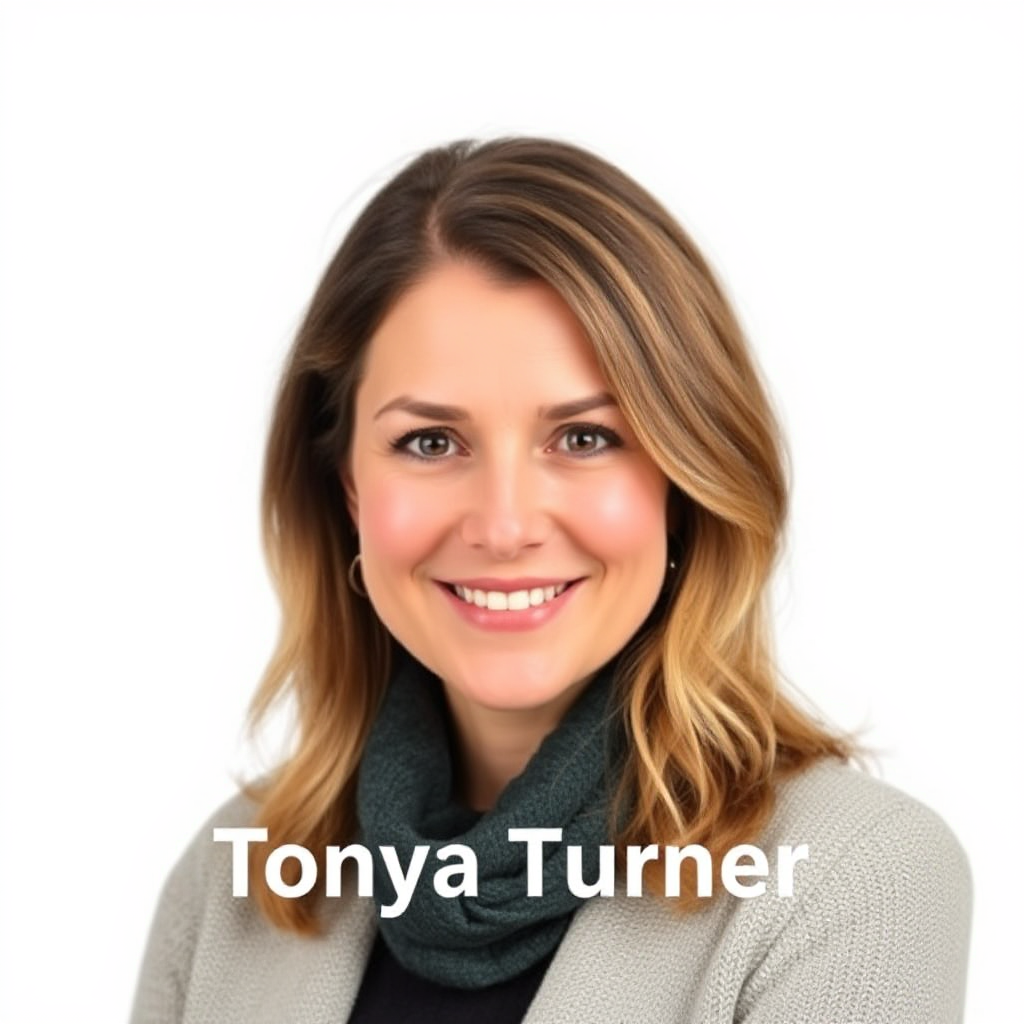
Sometimes, Lorna Grinnell-Moore has the receiver hung up abruptly. Often, she has to listen to some rather bizarre misinformation and, once, she has a memory of being subjected to abuse.
"There's always going to be individuals like those, who just don't want to hear, and it seems as though you haven't succeeded."
Yet, this comprises the daily work for Lorna. She has been contacting households whose children have missed out on the measles, mumps, and rubella vaccinations in an effort to convince them to get immunised. Suboptimal immunization levels mean the infection has taken hold in the city, predominantly in children below the age of ten.
A Proactive Response
Lorna's been here before - she was involved with a unit of NHS workers that made 13,000 calls in only a quarter of a year after an increase in measles infections in late 2023 impacted numerous youngsters. These discussions by themselves led nearly 1,000 previously hesitant guardians and adolescents to take up the offer vaccination.
Within a London borough, which is grappling with a measles surge, officials are looking to cities such as Birmingham for ways to get a grip on it. Fifty cases have been identified in the current year, mainly among young children, some of whom have been admitted to hospital.
Bringing Back Retirees
In the 2023 Birmingham incident, some former doctors and nurses were recalled from retirement, similar to the pandemic. In this instance, though, as opposed to vaccinating people, they were assigned to encourage people to get them.
The unit was assigned making repeated calls to guardians and individuals up to the age of 25 to address the barriers preventing them receiving the immunization against a disease that can have grave complications - encompassing brain inflammation and vision impairment and, infrequently, death.
Currently, Lorna, the clinical lead for immunization services, and a nursing team have been recruited to bash the phones again as infections are increasing again.
Navigating Difficult Conversations
It's not an easy task. A particular technique is needed which entails careful hearing and trying to understand the caller.
"When I understand their point of view, I can then answer their questions," states Lorna. "Occasionally they are receptive, and sometimes they say they are finished talking."
"This isn't a matter of becoming an authoritarian figure."
Should callers agree to carry on talking, Lorna believes she can then tackle their apprehensions or doubts about the vaccine and aid in reducing them.
Protocols and Support
The guideline is a maximum of three contacts. Another rule avoids leaving voicemails due to potential confusion. Colleagues who speak a range of tongues, such as French, Italian, Arabic, and Urdu, can assist in outreach when the primary language isn't English.
In addition to the call initiative, the coordinated response unit additionally executes an public awareness drive and engages with local community groups.
Clear Outcomes
The citywide effort has had a significant effect. During 2024, a supplementary seven thousand jabs were administered – and the overall vaccination count was 20 percent greater than the year before.
Notably, there had been reduced immunization rates among particular demographic groups, including Roma, east European, South Asian and black ethnic groups.
Communication obstacles were tackled by increasing the material available in various tongues, including publishing QR codes that lead to explanatory videos detailing the advantages, paired with standard poster campaigns.
Local Clinics Take Action
Some local GP services have also begun undertaking their own call-and-recall work. One of those is Hall Green Health, which has even taken it a step further by offering GP appointments to parents who are hesitant so they can address their questions in person with a GP.
"I believe we have grown too relaxed about the genuine dangers of measles," says partner Dr Sonia Ashraf.
She explains that multiple several elements that cause hesitancy. The inclusion of porcine gelatine in MMR is one thing they see, but this is relatively easily resolved by supplying the type of the jab that is gelatine-free.
Debunked studies from the 1990s falsely associating MMR with autism also often arises, while some parents also worry about the quantity of scheduled immunizations administered in early childhood. By the age of four, they will have been scheduled for six vaccination sessions.
"Many families ask why children need so many or believe their kids are robust enough these infections," notes the doctor. "We dedicate time to presenting the facts with them – falsehoods are prevalent out there."
Budgetary Limits and What's Next
The telephone outreach program has since been made available elsewhere. But because of stretched budgets, it is something that can only be done on a limited basis. By the following year, vaccination levels fell once more to previous benchmarks, leaving the city far from reaching the 95 percent target needed for community protection.
But while there have been spikes in infection, there has been nothing like the number of cases that were seen in the past outbreak, when confirmed cases exceeded 500.
Leon Mallett, says the outreach approach "proves highly effective" but "not a silver bullet" and needs to be paired with additional measures. Optimally, he explains it would be employed more widely but further investment is needed.
Current funding for the calling system runs until the end of this financial year.
Countrywide Challenges
This strategy isn't unique to adopt the strategy. Various other regions have tried similar things.
But shifting the dial nationally has remained a struggle. At present, less than eighty-five percent of children have had the complete course by the age of five.
"It poses a significant problem," explains a professor. "The causes of vaccine hesitancy are complicated and diverse. One thing that often gets overlooked is accessibility. For


